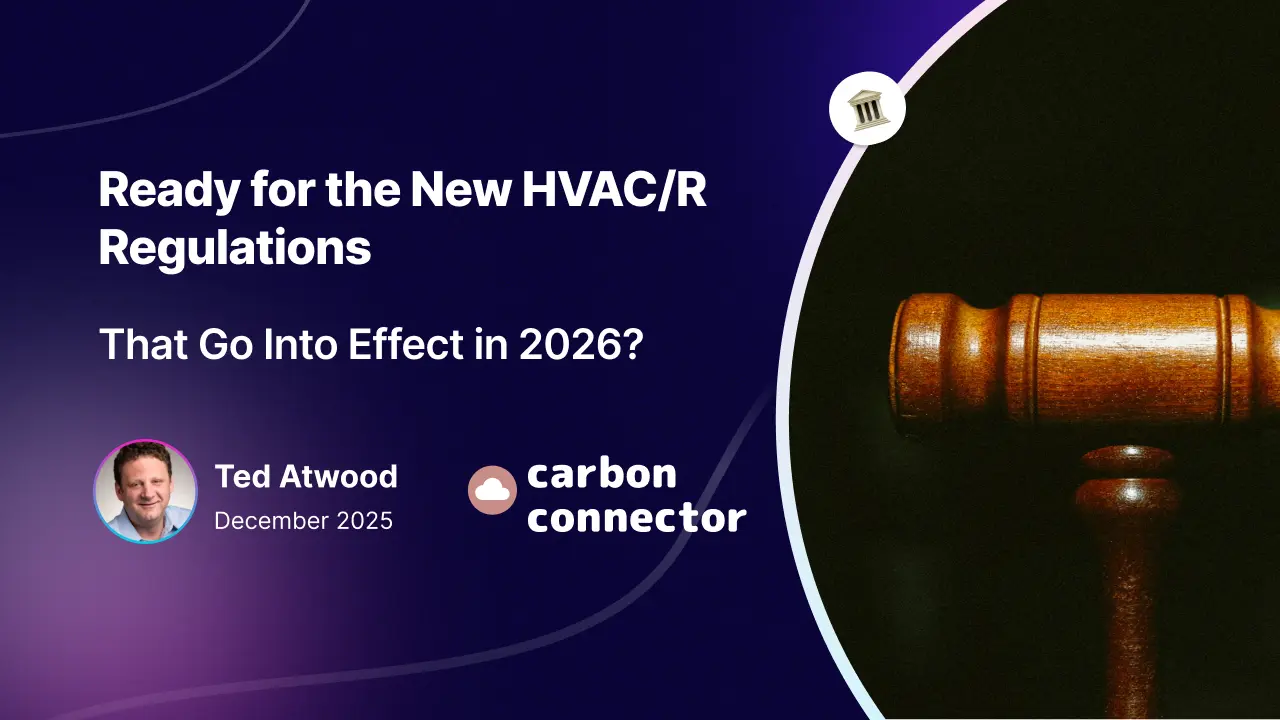
In just three weeks, the HVAC industry faces a critical milestone with the enforcement of new HVAC R regulations by the Environmental Protection Agency (EPA).
These updated EPA regulations, part of broader HVAC regulations and new regulations impacting the industry, are set to phase out high global warming potential (GWP) refrigerants like R-410A, marking the most significant shift in HVAC refrigerant rules in decades.
This phase-down of high-GWP HVAC refrigerants will have a direct impact on air conditioning and cooling systems across the country.
The new rules aim to reduce greenhouse gas emissions from HVAC systems and drive the adoption of low-GWP refrigerants such as R-454B and R-32 in new HVAC systems and heat pumps.
The transition from current refrigerants and older refrigerants to these new options means that existing systems installed before the deadline can continue to use older refrigerants, while new installations must comply with the updated standards.
We’ll help you get up and running, integrate the detector into your workflow, and monitor the data for you.
Despite extensive warnings over the past years, many commercial operators and HVAC contractors remain unprepared for the January 1, 2026, deadline when the EPA will prohibit the manufacture and import of HVAC & Refrigeration systems using certain high-GWP refrigerants.
The pressing question for commercial HVAC stakeholders isn’t just if you think you’re ready for the new HVAC R regulations that go into effect in 3 weeks, but whether you can demonstrate full compliance with these new EPA regulations.
Your current HVAC system, current HVAC systems, and current system will be directly impacted by the new rules, making it essential to evaluate whether you need a new system or new HVAC system to meet compliance requirements.
Installing an efficient system or energy-efficient system is crucial to meet the new standards; upgrading now can help ensure compliance and stay ahead of upcoming changes in the industry.
Now is the time to start preparing for the new regulations.

Pending EPA Changes: Proposed Interim Use of Moderate GWP HFC Refrigerants
In addition to the upcoming phaseout of high-GWP refrigerants like R-410A, the EPA has proposed allowing an interim step in the technology transition.
This proposal would permit the use of moderate but still powerful hydrofluorocarbon (HFC) refrigerants with lower global warming potential than current high-GWP options, but not as low as the new A2L refrigerants, for a limited period.
This interim allowance aims to provide manufacturers, contractors, and commercial operators with more flexibility to adapt equipment designs and supply chains while maintaining cooling system performance and addressing the impact on HVAC refrigerants used in modern cooling systems.
While these interim rules focus on lower global warming potential, current refrigerants in existing systems may still be affected, as the transition could influence ongoing servicing, repairs, and the eventual need to replace or retrofit older equipment.
While this proposal will ease some immediate installation challenges, it will compound costly supply challenges associated with the full transition to low-GWP A2L refrigerants such as R-454B and R-32, and it also extends the timeline for fully adopting environmentally friendly refrigerants.
Stakeholders should stay informed about these pending EPA changes, as they may impact compliance strategies, equipment selection, and technician training requirements in the foreseeable future.
Owners of a current HVAC system or current HVAC systems may need to consider upgrading their equipment to meet new regulations and HVAC regulations, especially as the industry moves toward more energy-efficient and environmentally friendly solutions.
📌 It is important to ensure compliance with the interim rules
and prepare for the eventual phase-down of older refrigerants as part of the regulatory process.
→ Discover our HVAC/R Knowledge Hub
Supply Chain and Cost Challenges Ahead
Manufacturing costs for compliant HVAC systems are rising, with new systems expected to cost 15-25% more than current R-410A units. Specialized safety equipment and leak detection systems for mildly flammable refrigerants add to upfront costs for contractors and commercial operators.
The rising cost of HVAC refrigerants and current refrigerants is also impacting existing systems and those installed before the new rules, making ongoing maintenance and servicing more expensive.
Inventory of new refrigerants like R-454B and R-32 is limited, with supplies estimated to last only 4-6 months at current demand levels.
This constrained availability may lead to higher prices and installation delays, especially for older refrigerants, creating challenges for maintaining a current HVAC system or current HVAC systems.
With higher prices and potential installation delays, upgrading to a new system or new HVAC system before the supply crunch can help homeowners avoid these issues.
Choosing an efficient system or energy-efficient system not only ensures compliance with new standards but also provides long-term savings through reduced energy costs.
If your older unit is experiencing frequent repairs, upgrading may be a more cost-effective solution than continued maintenance.
📌 3 Weeks to Go. Don’t Risk Fines.
Understanding the AIM Act and Its Impact on HVAC Refrigerant Compliance
The American Innovation and Manufacturing (AIM) Act, enacted in 2020, mandates an 85% phasedown of hydrofluorocarbon (HFC) refrigerants by 2036.
In response, HVAC regulations and new regulations require a phase-down of high-GWP HVAC refrigerants and a transition away from older refrigerants used in existing systems and older systems.
The AIM Act empowers the EPA to enforce stricter HVAC refrigerant regulations that prioritize the use of environmentally friendly, low-GWP refrigerants.
Compliance with the AIM Act and EPA regulations requires HVAC contractors, facility managers, and commercial operators to ensure compliance by upgrading or installing a more efficient system or energy-efficient system.
Compliance also means retraining technicians and adopting enhanced safety protocols for handling A2L refrigerants.
In many cases, the current system or current HVAC system may need to be replaced or upgraded to meet the new standards.
To stay ahead, consider proactively upgrading your HVAC equipment and ensuring compliance with the new regulations.
Immediate Actions for Commercial HVAC Operators
With only three weeks remaining before the new HVAC R regulations take effect, commercial operators must prioritize actions to ensure compliance with the new rules:
Air Quality Maintenance
Maintain indoor air quality by ensuring proper system upgrades and regular maintenance of your HVAC system.
Technician Certification
Ensure all technicians are EPA Section 608 certified for A2L refrigerants like R-454B and R-32.
Inventory Management
Secure adequate supplies of compliant refrigerants and replacement parts to avoid operational disruptions.
Asset Labeling and Leak Detection
Implement comprehensive asset tagging and install automatic leak detection systems where required.
Digital Recordkeeping
Maintain accurate, accessible records of refrigerant use, leak rates, and service intervals to demonstrate compliance.
System Evaluation
Assess your current system or existing systems to determine if upgrading or installing a new HVAC system is necessary to meet the new standards.
Efficiency Upgrades
Choose an efficient system or energy-efficient system to improve performance, reduce costs, and comply with updated refrigerant regulations.
📌 Stop Leaks. Ensure Compliance in 2026.
Technician Readiness and Certification Requirements
The Environmental Protection Agency (EPA) is raising the bar for technician expertise in the HVAC industry with new certification requirements designed to ensure safe and compliant handling of next-generation refrigerants.
As part of the American Innovation and Manufacturing (AIM) Act, technicians working with HVAC systems that use low-GWP refrigerants—such as R-454B and R-32—must obtain updated EPA Section 608 certifications.
These certifications focus on the unique properties and safety protocols associated with new refrigerants, which are essential for reducing greenhouse gas emissions and supporting the transition to eco-friendly refrigerants.
For HVAC businesses, ensuring compliance with these EPA regulations means investing in ongoing training and certification for all technicians who service or install systems using new refrigerants.
The updated requirements not only help protect the environment but also safeguard technicians and end-users by promoting best practices in refrigerant management.
Staying current with EPA certification standards is critical for any company aiming to remain competitive and compliant as the HVAC industry moves toward more sustainable solutions.
The Benefits of Next-Generation Refrigerants
The shift to next-generation refrigerants like R-454B and R-32 brings a host of benefits for both the environment and homeowners.
These new refrigerants are engineered with a lower Global Warming Potential (GWP) compared to traditional options such as R-410A, making them a key tool in the fight against climate change and the reduction of greenhouse gas emissions from HVAC systems.
By adopting refrigerants with lower global warming potential, the HVAC industry is taking meaningful steps to minimize its environmental impact and support global efforts to slow global warming.
Beyond their environmental advantages, next-generation refrigerants contribute to improved energy efficiency in new HVAC systems.
This increased efficiency can translate into significant long-term savings for homeowners, as energy-efficient systems typically result in lower utility bills and reduced maintenance costs.
Additionally, the use of these advanced refrigerants can help manufacturers control production expenses, as newer systems are often designed for streamlined assembly and enhanced performance.
As regulations continue to evolve, the adoption of environmentally friendly refrigerants like R-454B is not just a compliance requirement—it’s a smart investment in the future.
Homeowners and businesses that upgrade to new HVAC systems featuring these refrigerants will benefit from lower operating costs, a reduced carbon footprint, and a more sustainable approach to indoor comfort.
Risks of Non-Compliance and the Cost of Delay
Failure to comply with the new HVAC R regulations can result in severe penalties up to $69,733 per day, legal liabilities, and operational disruptions.
It is crucial to ensure compliance with all HVAC regulations and new regulations to avoid legal and financial risks.
Existing HVAC systems, including your current HVAC system or current HVAC systems, that use high-GWP refrigerants like R-410A or other older refrigerants, will become increasingly expensive to maintain due to limited refrigerant availability and the rising cost of HVAC refrigerants, current refrigerants, and older refrigerants for existing systems, your current system, and current HVAC systems.
Delaying system upgrades or technician training will lead to higher upfront costs and potential loss of business as compliant equipment becomes scarce.
Additionally, frequent repairs and ongoing maintenance of older systems can make upgrading to a new system or new HVAC system with an efficient system or energy-efficient system a more cost-effective solution in the long run.
The Time for Preparation Has Passed: The Time for Compliance Is Now
Leaks don’t behave like light switches: they’re slow, evolving, and often hidden within insulation, walls, or The upcoming HVAC refrigerant phaseout and new EPA regulations represent a fundamental shift in the HVAC industry.
With these upcoming changes, it is crucial for commercial HVAC contractors and operators to start preparing now to ensure a smooth transition and continued success.
Commercial HVAC contractors and operators must demonstrate readiness by completing technician certifications, securing compliant equipment, and educating clients about the implications of the refrigerant change.

Ready for the new HVAC/R regulations that go into effect in 2026?
The answer lies not in assumptions but in your ability to prove compliance with the EPA’s new standards. Upgrading your HVAC system or investing in a new system can help ensure compliance and stay ahead of regulatory requirements.
The HVAC industry’s future depends on proactive adaptation to these new refrigerant rules, ensuring environmental responsibility, operational efficiency, and long-term cost savings.
📌 The time for preparation has passed. Time for accountability and compliance has arrived.
Maintaining healthy indoor air is also a key part of compliance and system upgrades, supporting both comfort and regulatory standards.