How Refrigerant Leak Detection Can Help Protect Our Water from PFAS Contamination
Detecting refrigerant leaks early is not just a technical fix: it’s a vital step businesses can take to protect our water and prevent decades of environmental harm.
For decades, water contamination from chemicals like refrigerants and PFAS has caused lasting damage.
The story of Hillburn, New York, where a refrigerant leak released thousands of pounds of chlorofluorocarbon (CFC-11) into the soil near public wells, highlights how undetected leaks can lead to long-term water pollution.
This contamination required costly cleanup efforts lasting nearly 30 years.
📌 Choose to detect refrigerant leaks early. Choose to protect water. Choose responsibility.
This guide is intended for business owners, facility managers, and anyone concerned about water quality and chemical contamination.
Understanding the risks of PFAS and refrigerant leaks is crucial for protecting public health and the environment.
What this story reveals is clear: businesses that handle refrigerants have a critical role to play in preventing contamination by investing in advanced leak detection technologies.
Refrigerants, including low-pressure types like those involved in Hillburn’s incident, often linger in oil residues, making leaks harder to spot but no less dangerous.
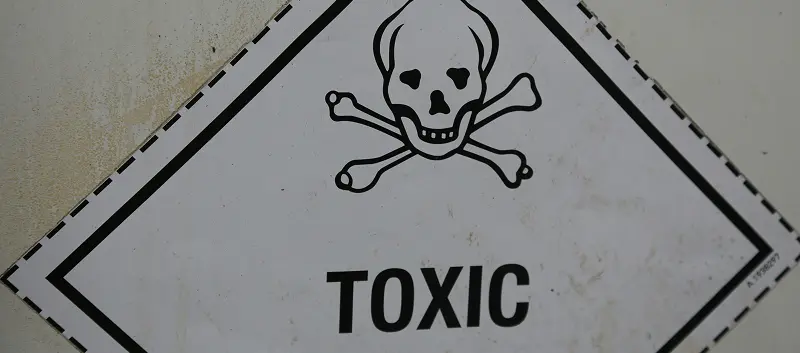
When these substances escape, they can introduce PFAS-related chemicals into the environment, threatening drinking water supplies and public health.
PFAS contamination is a nationwide issue affecting communities across the country.
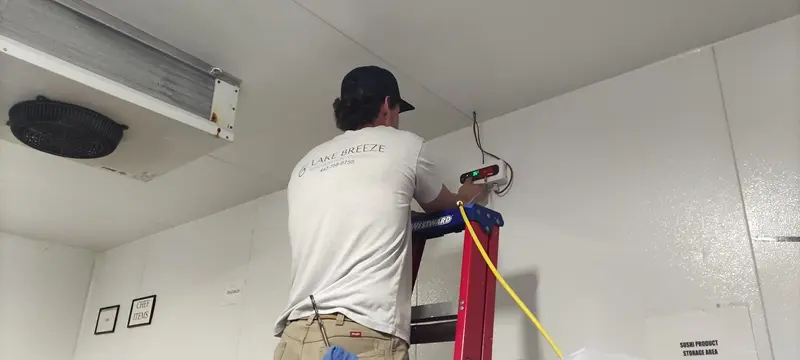
By adopting modern leak detection methods (such as continuous sensors, infrared cameras, and automated alarms), businesses can identify refrigerant leaks early, reduce emissions of harmful chemicals, and help safeguard water sources from PFAS contamination.
PFAS can persist in the environment for a long time, making it difficult to remove PFAS from water and the environment, especially in large areas like the ocean.
This proactive approach not only protects communities but also helps companies avoid costly remediation and regulatory penalties.
Drinking water is one of the most common exposure pathways for PFAS, and water treatment plants face significant challenges in removing PFAS.
Taking action now is essential to prevent further contamination and ensure a safer future for all, protecting life and wildlife.
Coalitions and collective action are essential in addressing PFAS contamination and protecting water supplies.
Introduction to Forever Chemicals
Forever chemicals, scientifically known as Per- and polyfluoroalkyl substances (PFAS), are a group of synthetic toxic chemicals that have become a global concern due to their widespread use and persistence in the environment.
Per- and polyfluoroalkyl substances (PFAS) are a large chemical family of over 10,000 highly persistent chemicals that don’t occur in nature.
These polyfluoroalkyl substances are prized in industry for their unique ability to repel water and grease, which is why they are found in hundreds of everyday products—from nonstick cookware to waterproof clothing and food packaging.
However, this same durability means PFAS chemicals do not break down easily, leading to their accumulation in drinking water, soil, and even the blood of humans and wildlife across the world.

The presence of PFAS in our water supplies is not just a technical issue; it’s a pressing environmental and public health challenge.
Studies have shown that these chemicals are linked to a range of health problems, and their ability to travel long distances means contamination is now found widely, even in remote areas.
Removing PFAS from the environment is extremely challenging, making it all the more important to act now to protect clean water and prevent further pollution.
By understanding the risks and supporting actions to reduce PFAS use, we can help ensure clean water for future generations and protect the health of both people and wildlife.
📌 Stop the Spam. Start the Action.
Understanding Runoff and Its Impact
Runoff is a natural process where rainwater or melted snow flows over land surfaces and eventually makes its way into streams, rivers, and lakes.
While this movement of water is essential for replenishing our water sources, it can also carry with it a host of toxic chemicals (including PFAS) that have been left behind by industry, agriculture, or everyday activities.
When these substances are washed into waterways, they can contaminate drinking water, threaten wildlife, and disrupt delicate ecosystems.
The impact of runoff is far-reaching.
Not only can it lead to flooding during heavy storms, but it also acts as a vehicle for pollution, spreading PFAS and other harmful chemicals far beyond their original source.
This makes it even more important for people to understand how their actions (such as proper disposal of chemicals and supporting green infrastructure) can help prevent pollution and protect clean water.
By learning about runoff and its effects, individuals and communities can make a real difference in safeguarding the environment and ensuring clean water for all.
Why Refrigerant Leak Detection Matters for PFAS Prevention
Refrigerants and PFAS chemicals share a troubling trait: they are highly persistent in the environment and resistant to breakdown.
Oil residues in equipment can trap refrigerants, allowing leaks to go unnoticed for long periods.
These leaks release toxic chemicals that can seep into soil and water, contributing to the growing crisis of PFAS contamination in drinking water.
Common sources of PFAS include non-stick cookware, food packaging, water-resistant clothing, stain-resistant carpets, cosmetics, and firefighting foams.
People and wildlife can be exposed to PFAS through these everyday products and environmental migration.
PFAS are also used in non-consumer applications such as fire-fighting foams for extinguishing liquid fires.
Businesses that manage refrigerants (from manufacturing to maintenance) can be part of the solution by implementing rigorous leak detection and maintenance protocols.
Early detection prevents leaks from becoming widespread contamination events, protecting both the environment and public health.
The Hillburn, NY Example: What Businesses Can Learn
In Hillburn, a refrigerant reclamation facility failed to detect a major leak of over 8,000 pounds of CFC-11 because it lacked continuous leak detection systems.
The refrigerant seeped into groundwater, forcing well shutdowns and a multi-decade cleanup effort that spanned thousands of days and required taxpayers to pick up the bill.
This incident underscores the importance of:
- Using advanced leak detection technologies to spot refrigerant escapes promptly – 1 lb instead of 8000 lbs.
- Understanding that refrigerants can be trapped in oil residues requires sensitive detection equipment.
- Recognizing that low-pressure refrigerants, like those in Hillburn, pose unique challenges but can be detected with the AKO NDIR leak detection equipment.
By taking these steps, businesses can prevent similar contamination, protect water supplies, and avoid costly long-term consequences.
→ Learn more about the Hillburn incident

Practical Steps for Businesses to Protect Water Supplies
Businesses can take concrete actions to reduce refrigerant leaks and limit PFAS pollution:
- Install continuous leak detection systems with sensors and infrared technology.
- Regularly inspect and maintain equipment to prevent leaks, paying special attention to oil residues.
- Train staff on best practices for refrigerant handling and leak prevention.
- Partner with environmental organizations and regulatory agencies to stay informed about PFAS risks and compliance requirements.
- Invest in technologies that enable early detection and rapid response to leaks.
Additional steps businesses and individuals can take to reduce PFAS exposure include:
- Using water filters certified to remove PFAS.
- Installing reverse osmosis (RO) systems, which are generally the most effective at removing PFAS from drinking water.
- Choosing natural fibers like cotton, wool, or hemp for clothing and bedding.
- Avoid products labeled “stain-resistant,” “waterproof,” or “water-repellent.”
- Choosing PFAS-free personal care products.
- Avoiding fast food and takeout to reduce exposure to food packaging.
These actions work together to minimize PFAS risks, and many organizations are calling for safer, PFAS-free products to further protect public health and the environment.
Through these efforts, businesses become active participants in protecting clean water and reducing the impact of forever chemicals on the environment.
Regulatory Framework
Protecting clean water from toxic chemicals like PFAS requires a strong regulatory framework, both in the United States and around the world.
The Clean Water Act (CWA) is a cornerstone of U.S. environmental law, setting standards for water quality and regulating the discharge of pollutants into the nation’s waters.
The Environmental Protection Agency (EPA) is responsible for enforcing these standards and ensuring that industries and municipalities comply with the law to protect clean water.
On a global scale, agreements like the Stockholm Convention on Persistent Organic Pollutants aim to eliminate or restrict the use of the world’s most dangerous chemicals, including certain PFAS compounds.
These regulations are essential for holding polluters accountable and driving the transition to safer alternatives.
Individuals and organizations can play a vital role by staying informed about these laws, supporting advocacy groups like Clean Water Fund, and taking action to ensure compliance and promote stronger protections.
Making a gift to support clean water initiatives, sharing information, and participating in local efforts are all ways to contribute to a healthier environment and a safer future for everyone.
By understanding and supporting the regulatory framework, we can all help protect clean water and prevent the spread of forever chemicals.

Businesses as Guardians of Clean Water
The Hillburn story is a powerful reminder that early leak detection is essential to preventing long-lasting water contamination.
Businesses that handle refrigerants have a unique opportunity (and responsibility) to lead the way in protecting our water supplies.
By embracing advanced leak detection technologies and proactive maintenance, companies can help remove refrigerants and PFAS chemicals from the equation, ensuring safer drinking water for all.
This commitment not only safeguards public health and the environment but also strengthens industry reputation and compliance.
Together, businesses can be a driving force in the race to prevent forever chemicals from contaminating our water, because clean water depends on action at every level.
Choose to detect refrigerant leaks early. Choose to protect water. Choose responsibility.
📌 Choose to detect refrigerant leaks early. Choose to protect water. Choose responsibility.